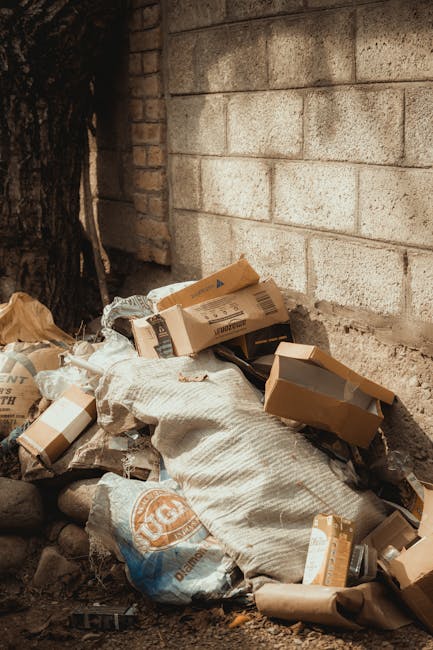
Commercial Waste Removal in Kenton

Commercial waste removal in Kenton should be straightforward, tidy and organised around the way your business actually works. We provide a practical collection service for non-household waste streams, helping offices, shops, landlords, hospitality premises and light commercial sites deal with waste that needs to be taken away responsibly. The focus is on clear loading, sensible scheduling and the right treatment of mixed commercial materials, so the process stays manageable from start to finish.
Our service is designed for routine and one-off clearances alike, with business waste removal arranged to suit collections that may arise from fit-outs, refits, storage clear-outs or day-to-day disposal. We handle a range of non-hazardous commercial items and general refuse that has accumulated on site, and we can separate material streams where that is practical. If you need a straightforward starting point, our quotation request process is there to help you begin. Request a quotation when you are ready.
For businesses that want a simpler way to stay on top of waste, we also support planned clearances that reduce clutter before it becomes a bottleneck. That can include bulky items, packaging, redundant fixtures, bagged waste or mixed contents from back rooms and storage areas. The aim is to make disposal easier to manage without turning it into a disruption, while keeping the work focused on what is actually present rather than on unnecessary extras.
Business Waste Collection and Regular Clearances
Regular commercial collections are useful when waste builds up in predictable patterns and needs removing without repeated delays. We can deal with sackfuls of office waste, lightweight packaging, cardboard, plastics, small unwanted items and general rubbish from trading spaces. For some customers, the main value is keeping service areas, storerooms and loading points clear enough to remain usable; for others, it is the convenience of having one collection method for a mixed set of items rather than arranging several separate removals.
When planning a collection, it helps to think about access, volume and how the waste is presented for loading. A well-prepared job is usually easier to complete efficiently, especially when items are grouped by area or kept where they can be reached safely. If you are comparing options, the business waste removal page is a useful place to review the broader service scope, while the pricing and quotes page can help you understand how estimates are approached.
What commercial collections can cover
Commercial collections commonly involve items that are no longer needed in the normal running of a premises. These may include old shelving, broken small equipment, redundant archive boxes, loose materials from storage areas and general debris created during reorganising or maintenance. Depending on the contents, we can focus on separating recyclable material from residual waste where it is sensible to do so, which helps keep the clearance process orderly and makes the destination of the waste clearer.
Clearance for Offices, Shops and Shared Premises

Office and shop waste often needs a slightly different approach from ordinary household clearance because the items are more likely to include fixtures, packaging, office furniture and material that has been stored for too long. We can remove outdated desks, chairs, screens, filing items, shelves and surplus stock-related waste where those items are ready to leave the site. The work is usually easiest when the customer wants the waste removed from a specific floor, room or back-of-house area without having to coordinate multiple contractors.
In shared premises, timing and access tend to matter as much as the waste itself. There may be reception points, service lifts, loading restrictions or neighbours to consider, and the collection needs to fit around the space available. Our approach is therefore aimed at keeping movement simple and reducing unnecessary handling. For businesses that want to see the wider disposal options that can sit alongside this work, the office clearance page gives a direct route to a relevant service page, and the recycling and sustainability page covers how material recovery is handled at a higher level.
Where several rooms are involved, it helps to organise waste by area rather than mixing everything into a single pile. That makes loading easier and helps identify items that may need separate treatment. If you are preparing for a clearance, gather the items you want removed in one place where possible and note anything that should stay behind. That keeps the scope clear, limits confusion on the day and makes it easier to produce a sensible quotation.
Bulky Items, Fixtures and Disposals from Commercial Sites
Some commercial waste jobs are less about loose rubbish and more about bulky objects that have reached the end of their useful life. This can include damaged office furniture, worn waiting-room seating, shelving, cabinets, counters, shop fittings and other large items that are awkward to move without help. We can also deal with certain domestic-style items removed from commercial settings, provided they are part of a legitimate waste collection and not something that requires a separate specialist route.
It is often useful to separate bulky disposal from general rubbish removal so that the work can be planned around lifting, access and storage. Items such as a single cabinet or a small number of chairs may be easy to collect together, while larger or heavier pieces may need more careful handling. If you need more detail on specific item types, the furniture clearance page is relevant for general furniture removal, and the furniture disposal page gives another route for viewing this part of the service set.
When bulky waste becomes the main task
Bulky waste tends to become the main task when the items are difficult to store, impossible to bag and awkward to move through the building. In those cases, the key questions are often whether the items can be reached safely, whether they need dismantling and whether any parts can be separated for different disposal routes. The answer is usually shaped by the item itself, the site layout and the amount of space available to load it out cleanly.
Waste from Refits, Rearrangements and End-of-Tenancy Changes
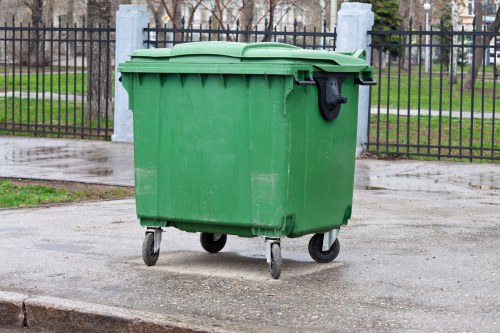
Commercial waste removal in Kenton is often needed during reorganisation rather than after a dramatic event. A refit may leave surplus fittings, packaging and redundant furniture; a storage change may create a mixed pile of items that no longer have a place; a lease end can produce a combination of rubbish, fixtures and loose contents that need to be cleared together. The service is useful because it brings these different item types into one managed collection rather than making you arrange several separate removals.
For commercial moves and closure work, the best results come from knowing what is staying, what is going and what must be handled carefully. If a unit contains both waste and items to keep, the clearance can still be straightforward, but it helps to identify the boundaries early. Our service pages for home clearance and house clearance are not commercial substitutes, but they can help show how mixed-clearance work is structured when you want a broader view of clearance categories. For business premises, the same principle applies: clear scope leads to clearer planning.
When a refit produces substantial waste, it is sensible to think about how that waste is gathered before collection day. Materials can be held in a side room, on a single floor or near an access point so long as they do not block exits or working routes. That makes loading more efficient and helps avoid unnecessary movement through the building. For many customers, this is the point where a simple quotation request becomes the easiest next step.
Materials, Sorting and Responsible Handling
Commercial waste removal is not only about lifting items away; it is also about deciding how different materials should be handled once they leave the premises. Some loads are mixed and require sorting, while others contain clearer streams such as paper, cardboard, light metals, plastics or reusable fixtures. We aim to keep disposal practical and responsible by identifying what can be separated, what needs to remain together and what must be managed under a specific waste route.
There are also specialist categories that call for separate handling, and it is better to keep those apart from ordinary commercial rubbish. If you know that a load includes items such as confidential paperwork, fridges, appliances or other controlled materials, it is worth reviewing the relevant service first. The confidential shredding page is suitable for document disposal planning, and the fridge and appliance removal page is useful where bulky electrical or cooling items are involved. This helps ensure the right process is chosen before the waste is moved.
Keeping streams separate where it matters
Separation matters because not every item follows the same disposal route. Paper-based records, furniture, packaging, electrical items and mixed general waste may each need to be treated differently depending on their condition and composition. The more clearly the waste is grouped, the easier it is to handle the load responsibly. That does not mean the customer has to do the sorting alone, but it does mean a little preparation can make a commercial clearance simpler and more predictable.
About Kenton
Kenton is a suburban district in northwest London, situated close to the boundary between the London Borough of Brent and the London Borough of Harrow. The area is shaped by its position between larger centres such as Harrow, Wembley and Kingsbury, and it is connected by Kenton station on the London Underground Bakerloo line and London Overground services. The local street pattern reflects a long period of suburban growth, with residential roads, shopping parades and community facilities arranged around transport corridors rather than a single historic core. The name itself has older roots than the present suburban landscape, and the area developed steadily as transport improved across northwest London. Near by, the open land of Fryent Country Park offers a contrast to the built environment, while the nearby Welsh Harp reservoir and the wider Brent valley add water and green space to the local geography. There are churches, schools and neighbourhood amenities scattered through the district, and the architecture includes a mix of interwar and later housing alongside more recent infill development. Kenton’s character is therefore defined less by dramatic landmarks than by its layered suburban fabric, local routes and proximity to both open land and busy urban centres.
Housekeeping for Visits, Access and Quotation Details

To keep a commercial waste collection efficient, it helps to share a few practical details before the visit. The type of material, the approximate amount, any awkward access points and whether the waste is inside or outside all make a difference to planning. If items are spread across several rooms or floors, a brief description of the layout can help. When a job is straightforward, this is usually enough for a sensible estimate; when it is more involved, a clearer picture of the contents helps avoid surprises.
You do not need to write a long brief, but a simple account of the waste and its location is useful. Photographs can be helpful where they are available, particularly for bulky items, mixed loads or areas with limited access, although they are not a substitute for a proper description of the work. If you would like to review a service page before sending details, the about us page gives general background, and the book online page offers a direct route for starting the process. Both are there to make the next step easier.
Request a quotation if you want to move from general planning to an actual collection. A clear enquiry usually covers what needs removing, where it is located and whether anything is especially heavy, fragile or restricted. That is enough for the early stages in most cases, and it helps make the process feel organised from the outset.
Commercial Waste Removal for Different Business Settings
Different premises generate different types of waste, and a good clearance service needs to reflect that variety. An office may create packaging, furniture and paper waste; a retail unit may have shelving, display materials and stock-related rubbish; a managed building may need support with communal waste or storage overflow. We keep the service broad enough to deal with these common situations while still treating each job according to the actual materials present.
For premises with a mixture of waste and larger objects, it can be useful to think in terms of what needs to leave the site first. Items that block access, occupy service routes or take up most of the available space are usually the first priority, followed by loose waste and then any smaller items that remain. If the work is part of a wider building project, the builders waste clearance page is relevant to construction-related debris, while the waste removal page offers a broader view of the core service category.
Whatever the setting, the objective is the same: remove the waste cleanly, keep the site manageable and make sure the work matches the material involved. That is why it helps to describe the job in ordinary terms rather than trying to force it into a category that does not quite fit. A straightforward outline usually produces a more useful response than a long list of assumptions.
Planning Collections Around Access and Load Size

Access is one of the main practical factors in commercial waste removal because it affects how easily items can be moved and how long the clearance may take to organise. Narrow corridors, shared entrances, stair access, basement rooms and loading restrictions can all influence the safest way to approach the work. When those details are known in advance, it is easier to plan a collection that feels orderly rather than rushed or improvised.
Load size is the other major consideration. A single office chair is very different from a room full of mixed furniture, and a few bags of waste are not the same as a full commercial clearance. That is why the service is best described by the actual contents rather than by a broad guess. If you are unsure whether a job falls within a simple collection or a larger clearance, a brief description of the items is usually enough to clarify the best approach.
Useful points to mention before a collection
- what types of waste need removing
- where the items are located within the premises
- whether there are stairs, lifts or narrow access points
- if any items are especially heavy, bulky or awkward
- whether the collection is routine, one-off or part of a move
Request a Quotation for Your Kenton Collection
If you need commercial waste removal in Kenton, the easiest next step is to describe the job clearly and ask for a quotation. That can be a simple summary of the items, the access conditions and the location within the premises. We will then be able to assess the likely scope of the work and match the collection to the waste actually on site, rather than to a generic assumption.
Some customers want a one-off clearance before a handover, while others need a practical way to remove waste from a working site without letting it pile up. In both cases, the service is built around straightforward disposal, sensible handling and a clear process. If you have mixed items, bulky objects or waste from several rooms, it is still worth getting in touch so the collection can be shaped around the real situation.
For the final step, use the contact route that suits you best and send the basic details of the waste you want removed. Contact us when you are ready, and we will help you move forward with your quotation.